


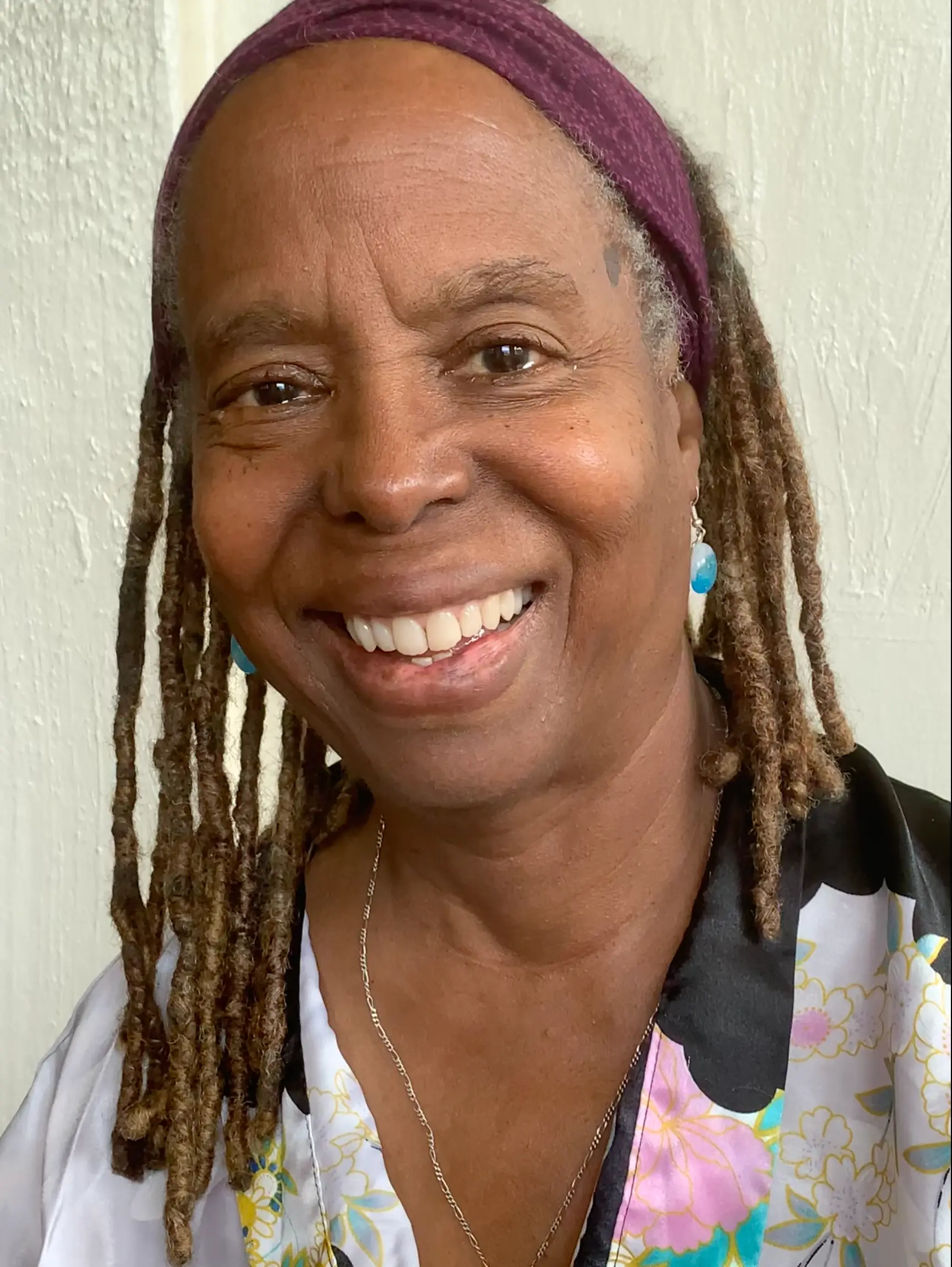
Cassandra Medley
Playwright
Biography
Cassandra Medley is an Award-winning playwright and member of the Ensemble Studio Theatre and New River Dramatists. She is best known for her play, Relativity (Magic Theatre), a commission from the Alfred P. Sloan Foundation, which won the Audelco August Wilson Playwriting Award and was featured on Science Friday on National Public Radio. Off-Broadway works include Ma Rose (Apple Corps Theatre) and her sketch, "Ms. Mae", one of several individual pieces which comprise the Off- Broadway musical, A...My Name is Alice, which received the Outer Critics Drama Award (American Place Theatre). Regional works include Cell (Ensemble Studio), Dearborn Heights (Vital Theatre), and Waking Women (People’s Light and Theatre). Other awards include the Going to the River Writers Life Achievement Award, Ensemble Studio Theatre 25th Anniversary Award for Theatre Excellence, the Theatrefest Regional Playwriting Award for Best Play, the New Professional Theatre Award, and the Marilyn Simpson Award.
Projet
My 2011 one act play, “Cell” was inspired by reading reports of shocking immigrant abuse and exploitation taking place in private Immigration Detention Centers all across the United States. These reports are substantiated by disclosures made by legal counsels, employee whistleblowers, and notorious incidents exposed in the press. The Detention Watch Network discloses commonplace occurrences of physical abuse, health mishaps and neglect, and rape suffered by undocumented immigrants who languish in Deportation Centers as they await hearings and deportation back to their home countries. As of 2018-19, news and social media has exposed the Trump Administration scandal of migrant children forcibly separated from their parents at border checkpoints and housed in cages; footage of screaming infants being separated from their nursing mothers. As of to date, 2021-22, hundreds of detainee children have been “lost” to the irreversible trauma possibly permanent separation from their parents and families. More than 300,000 immigrants languish in USA Detention Centers, and thousands more in Detention Centers and refuge camps in Western Europe an Australia. “Africans are arriving at the U.S. southwest borders from Cameroon, the Democratic Republic of Congo (DRC), Eritrea, Ethiopia, Somalia, Mauritania, Angola, Burundi, Niger and Sudan. They take a plane or boat to Ecuador, Brazil, Bolivia or another South American country, then travel by bus and foot through Panama to Mexico. What explains this dramatic increase? The major reason is that far fewer Africans are trying to reach Europe—they are terrified of being held prisoner in Libya, sold at a slave auction, or drowning in the Mediterranean.” —Detention Watch. I plan on writing two additional one acts to combine with “Cell.” My first new one act will be set in Texas in 2018, and will portray a newly inducted African-American female border patrol guard ordered to carry out the forced physical separation of screaming detainee children from their distraught parents—neither knowing where the other will be taken. In addition, my character will be dealing with her own domestic life as a single mother. The major event of the play is her coming in to contact with an African migrant detainee, and the transformative awareness this relationship will bring about. It is one thing to extol pride in Africa and African history, and quite another to be caught between following abusive orders for the sake of keeping one’s desperately needed job. My second play will be based on a 2020 news story of a immigration detention center “whisteblower” nurse who decided to publicly expose the forced sterilization and medical neglect of Covid patients taking place in the detention center where she worked. I wonder what private struggles she faced in making her decision to “talk?” What did she sacrifice by way of her relationships, community, and family? What professional and economic retaliation? What detainee abuses, and encounters with African-migrants made her silence intolerable? Once again, the story will present the encounter between an African-American and newly immigrated, undocumented Africans. These proposed plays offer the opportunity to create multi- dimensional immigration characters. I most particularly intend to dramatize encounters between African-American citizen detainee center employees, and Africans: parents and separated children, who have endured the excruciating trek from their home countries to South America, and then through jungles to arrive at the U.S. southwest border. My intent is to portray the often morally ambivalent and quite complex attitudes of the historically enslaved African-American towards the presently detained a newly arrived African migrant.