Mondes Marins
In The Sea Around Us (1964), marine biologist and environmental activist Rachel Carson recounts that the moon may have been born from a wave of terrestrial matter propelled into space. This chance event would have carved out the contours of the ocean basins and continents we know today. She also reminds us that protoplasm, the substance at the origin of life on Earth, emerged from masses of salty, semi-dark water billions of years ago.
It is in deep time that the oceans tell their stories. By turning our gaze toward the ground and questioning the rocks, it is possible to read the movement of oceans now long gone. Throughout all time, water has absorbed, dissolved and metabolised both inert and becoming matter. From the abyss to the surface, from the open sea to the shores, the deltas and the mountain springs, its currents carry histories that shape the living world.
The oceans make up 97% of the habitable spaces on Earth and produce more than 50% of the oxygen in the atmosphere. Yet they are experiencing the effects of climate disruption five times faster than any other environment. The ocean is not a hermetic liquid entity sealed off from the rest of the world: it operates in deep interdependence with its environment, near and far. Its movement does not stop at the shoreline. The fluidity inherent to it, resisting all forms of territorialisation, requires that it be considered in its continuity with non-aquatic ecosystems. Marshes, mangroves, moorlands and other wetlands are fragile yet powerful spaces that ensure continuity between sea and land. The microbial communities they shelter are both fragile and powerful: capable of mitigating soil erosion and absorbing carbon dioxide, they protect the habitats of numerous species. To the rhythm of the tides, successively submerged and emerged, they create and sustain wo
Created by and for artists, practitioners, sea-users, civil society actors, and researchers, Mondes Marins is a 3 month-long residency program hosted by the Camargo Foundation, that approaches contemporary representations of oceans and the knowledge making processes that shape them. Curators, researchers, and artists will be invited to come to the Camargo Foundation and engage with the program's residents.
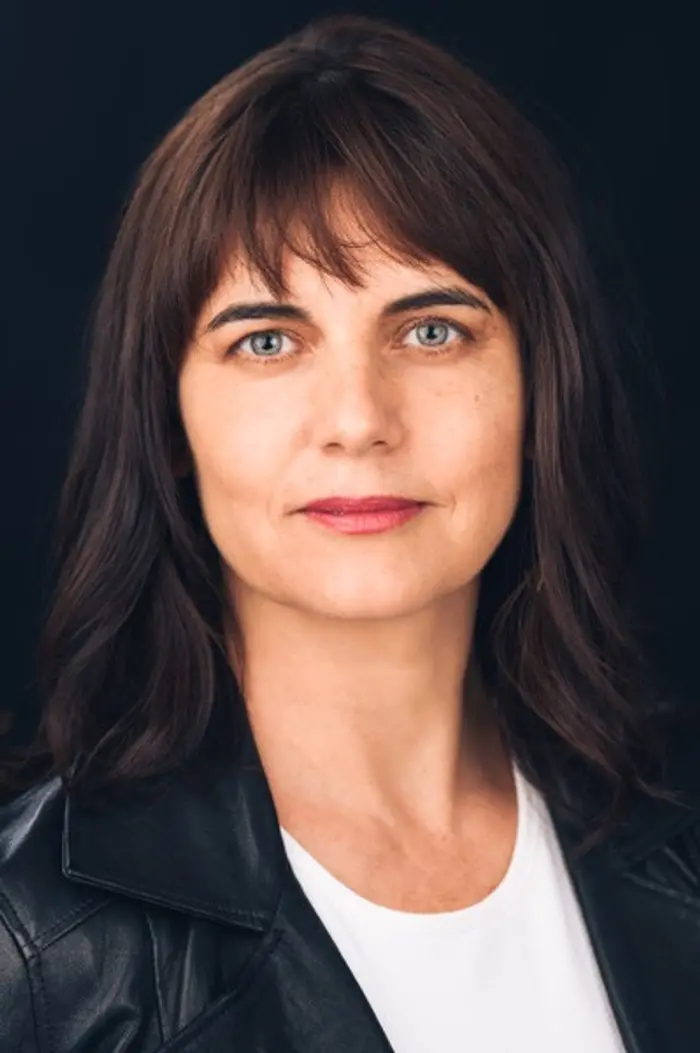
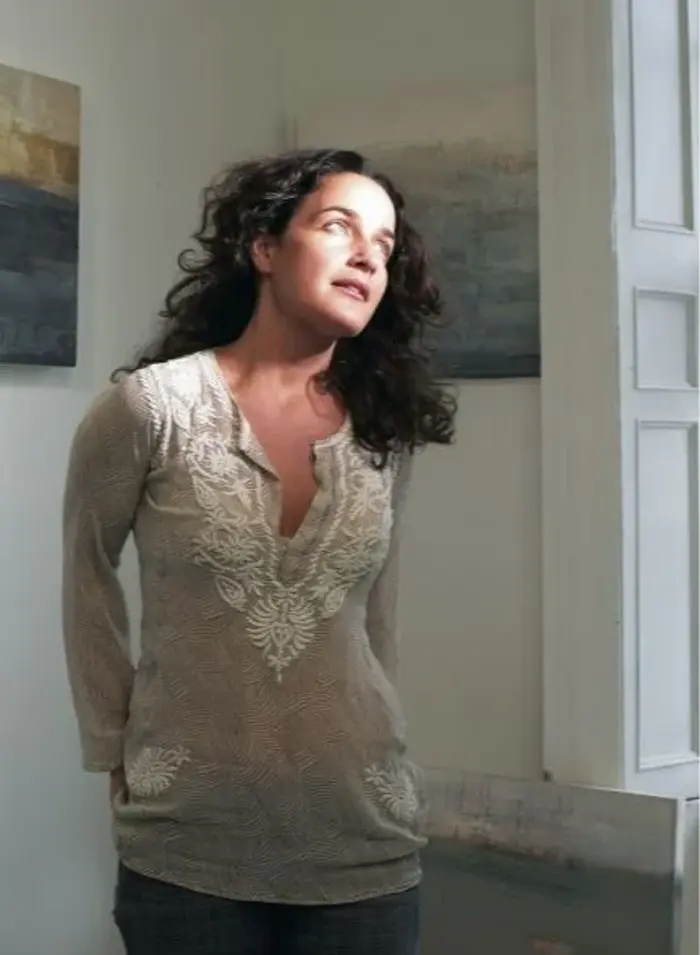
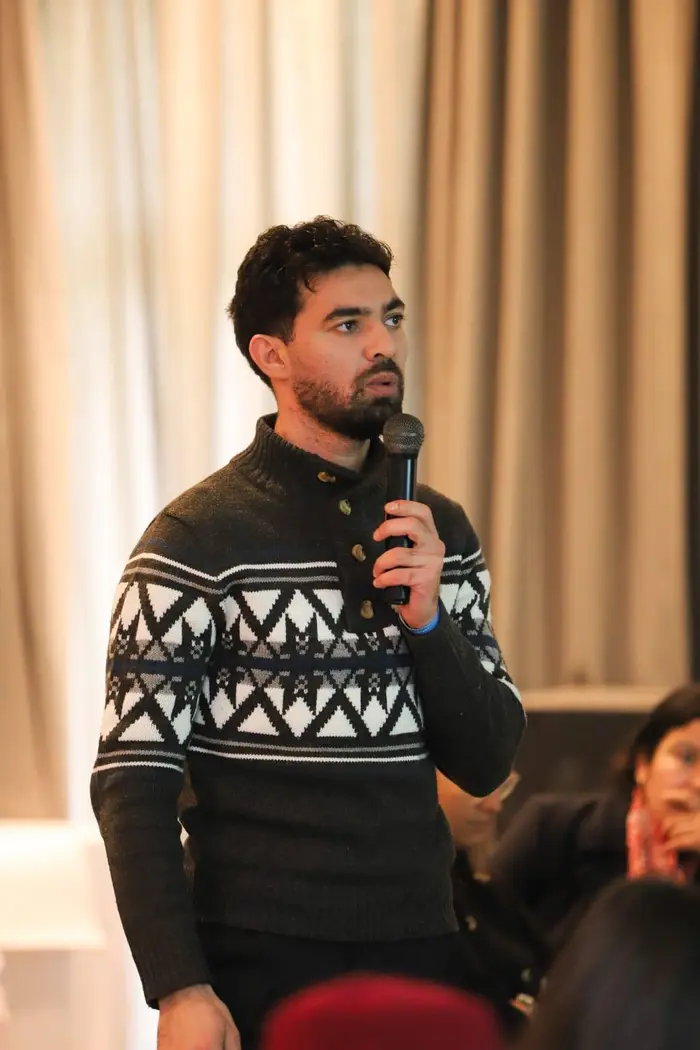
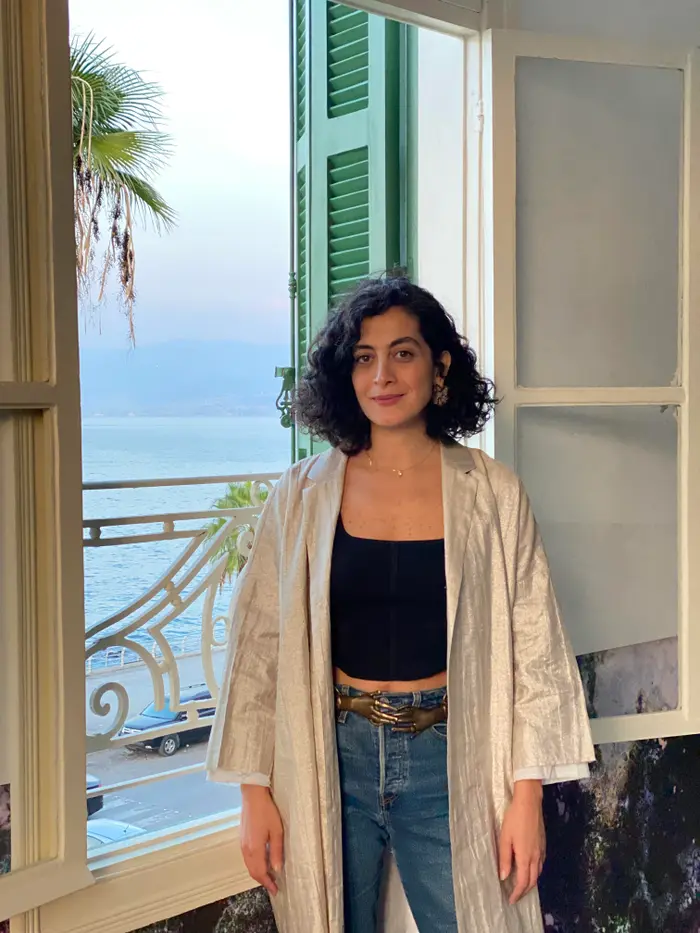
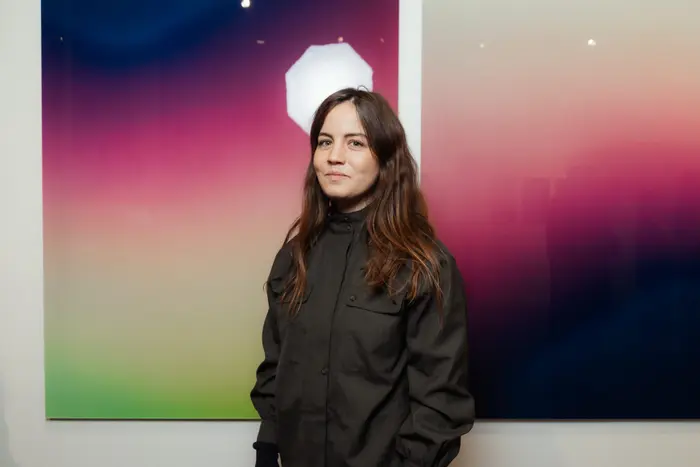
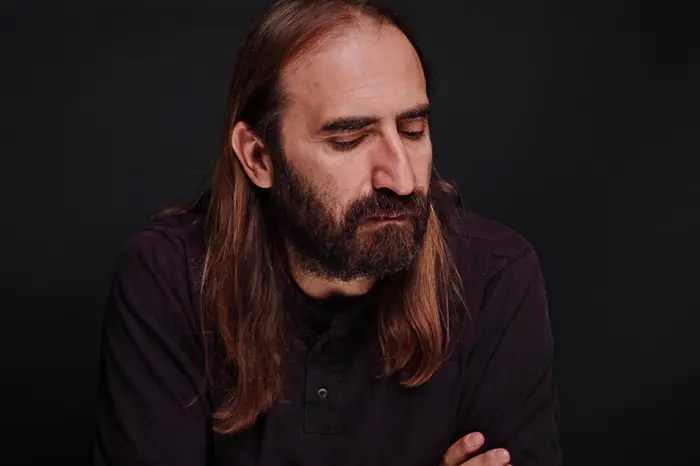
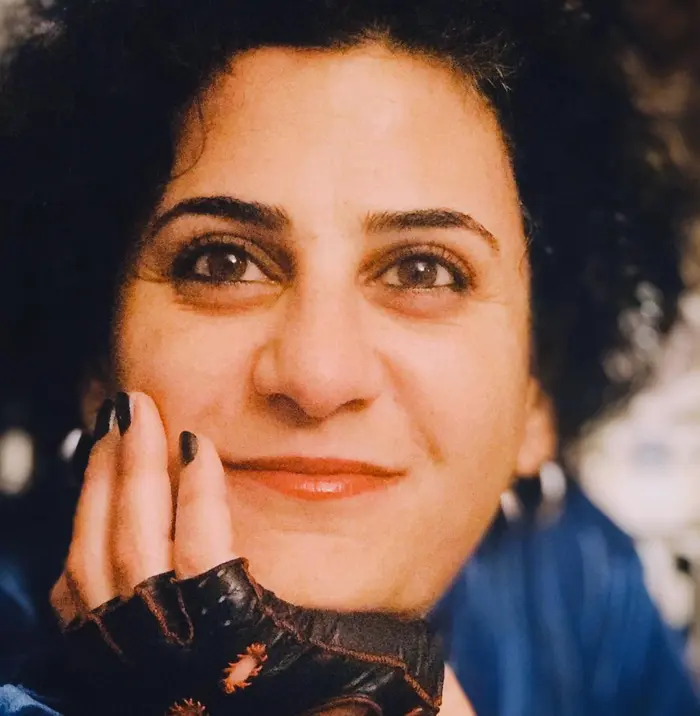
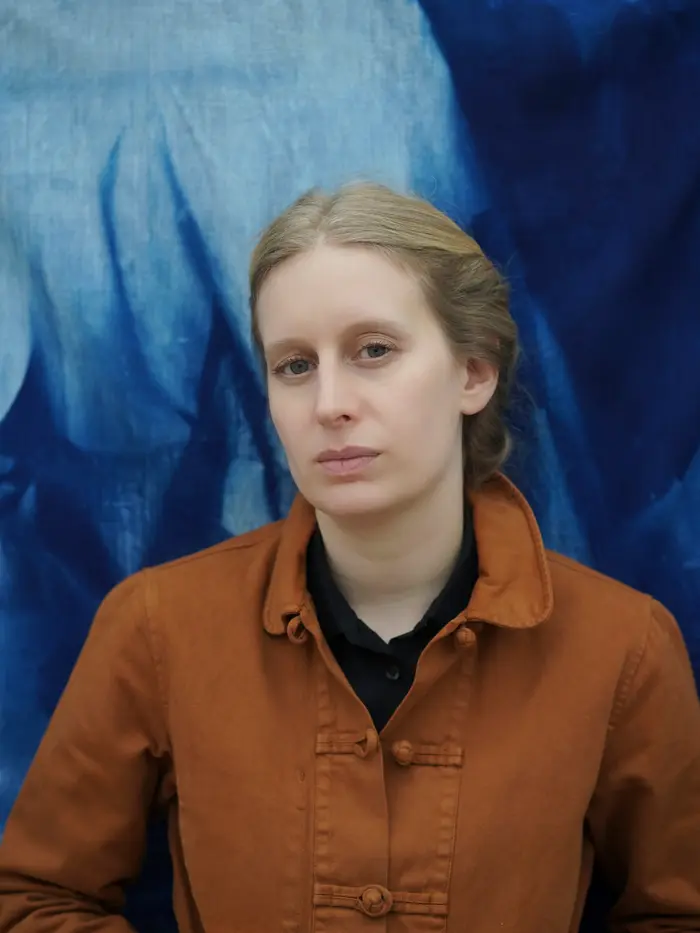
In Spring 2025, 30 scholars, researchers, artists and curators were approached and asked to nominate artists. As a result, 80 artists were invited to apply, with a wide range of practices and perspectives. In July 2025, a jury was gathered, bringing together environmental scientists, curators and artistic directors to select 5 laureates.
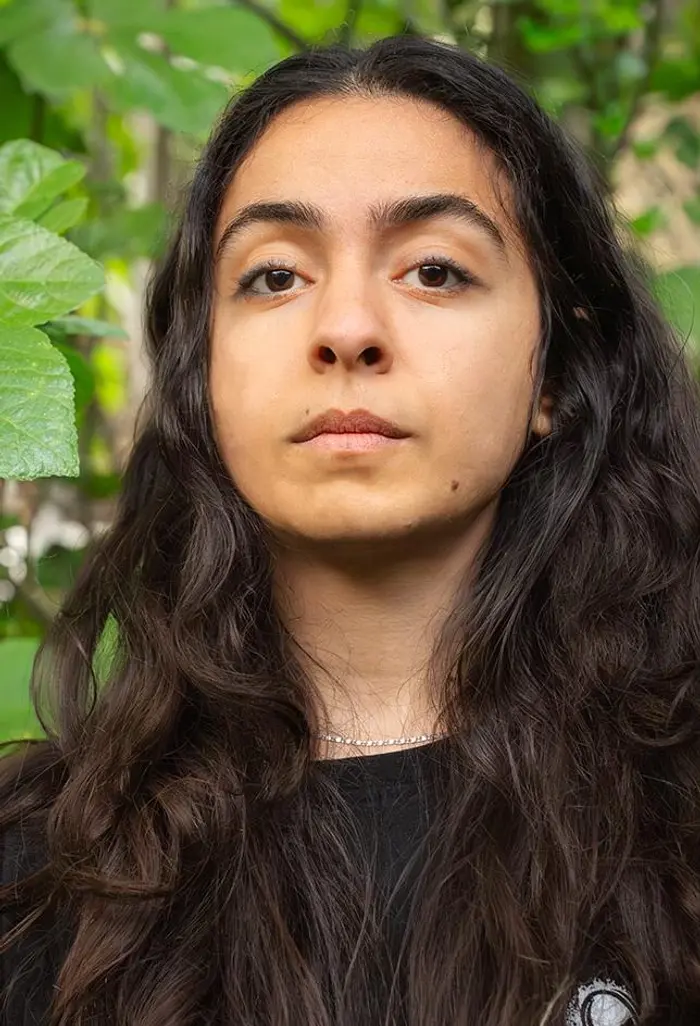
We are thrilled to announce this selection, and to introduce the 5 artistes who will take part in Mondes Marins to you. A series of highlights open to the public will punctuate this residency throughout 2026, which can be found in the Agenda section.
Developed since 2021, Mondes Marins is launched in 2025 thanks to the support of the Daniel & Nina Carasso Foundation, the Saison Méditerranée 2026, partnerships with the Calanques natio- nal Park, l’Institut Pythéas - Observatoire de l’Univers and L’Art Rue in Tunis.
The 2026 Mediterranean Season highlights the richness and diversity of Mediterranean cultures. It celebrates artists, creators, and young talents from the region, promoting cultural and human exchanges.
Following a popular and festive opening in Marseille, the Mediterranean Season will take place mainly in France, across the entire territory, from May 15 to October 31, 2026. It will also extend across the Mediterranean shores through various events connected to the region’s artistic scenes, cultural institutions, and the French diplomatic network abroad.
This Season is an opportunity to showcase youth and diaspora initiatives, support creation and innovation through the circulation of ideas and people, and encourage cooperation between civil societies, particularly with Morocco, Algeria, Tunisia, Egypt, and Lebanon.
The Season focuses on five themes addressing contemporary issues collectively: speculative utopias, plural identities, contemporary spiritualities, the collective history of migration, and the construction of narratives.
Under the aegis of the Ministry for Europe and Foreign Affairs and the Ministry of Culture, in connection with the Interministerial Directorate for the Mediterranean, this Season is coordinated by the Institut Français under the general commissionership of Julie Kretzschmar.